
The Three Musketeers and Moral Compromise
The Long WalkThis flow traces the rise and collapse of the Three Musketeers as mutual affection gives way to a pact of noninterference.
increasing Bearing strength in each event
 decreasing
Bearing strength in each eventdecreasingInformal Fellowship
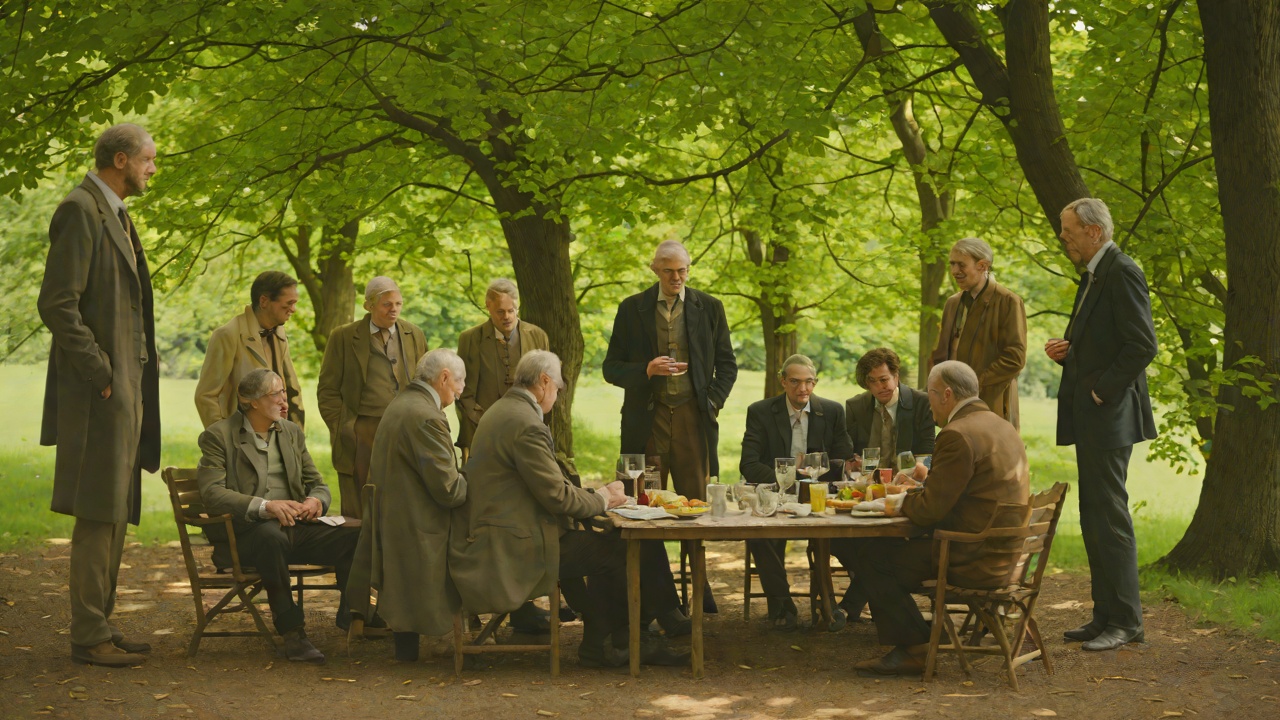
Informal Fellowship
Group
Ray, Peter, and Arthur find a social rhythm through teasing, food, and shared observation. Their companionship makes the road less solitary.
Ideal
The group imagines that friendship can preserve dignity even inside the Event. Their humor is a small rebellion against institutional loneliness.
Acts of Help
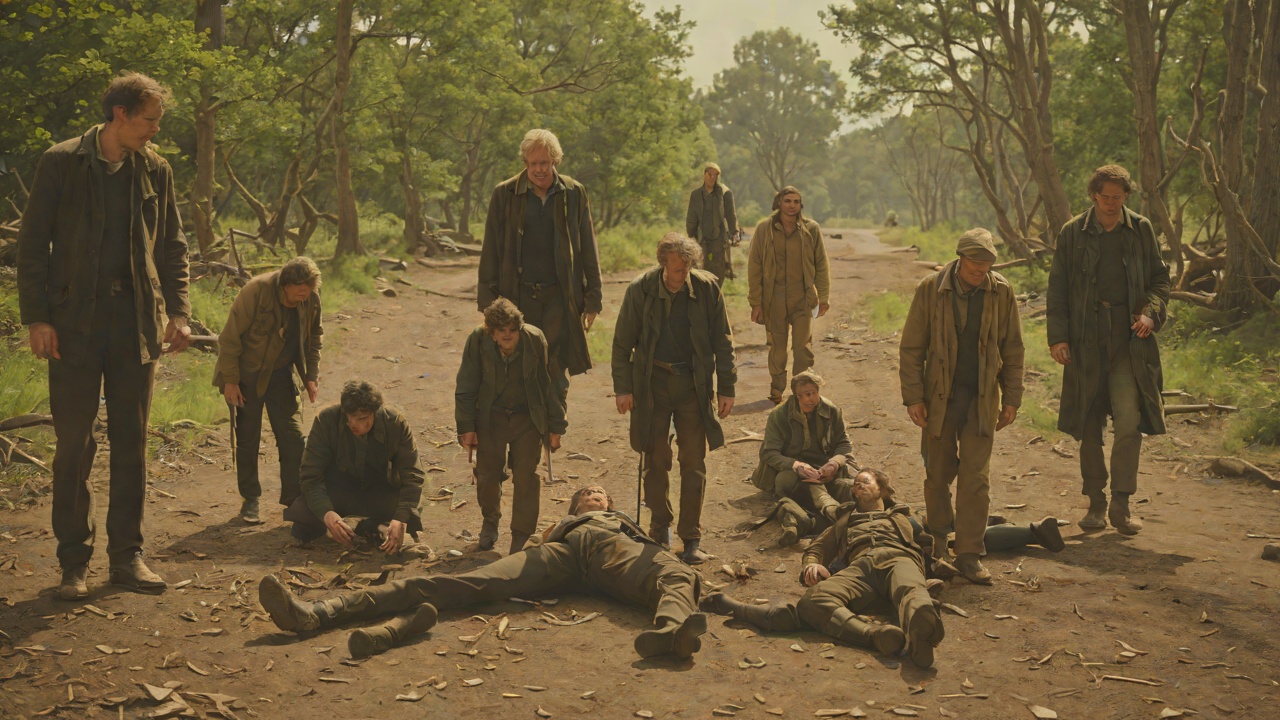
Acts of Help
Rescue
Peter saves Ray during his hysterical collapse, while the group repeatedly gives food, advice, and emotional support to weakened Walkers.
Contradiction
Each act of help risks the helper’s own life. Compassion therefore becomes a competitive disadvantage, though nobody can fully abandon it yet.
Scramm’s Promise
Scramm’s Promise
Solidarity
The Walkers promise to protect Cathy Scramm’s future if one of them wins. Their imagined future obligation gives the group a moral identity.
Limits
The promise is meaningful precisely because it cannot save Scramm. It offers continuity beyond death without interrupting the machinery that produces death.
No Help Pact
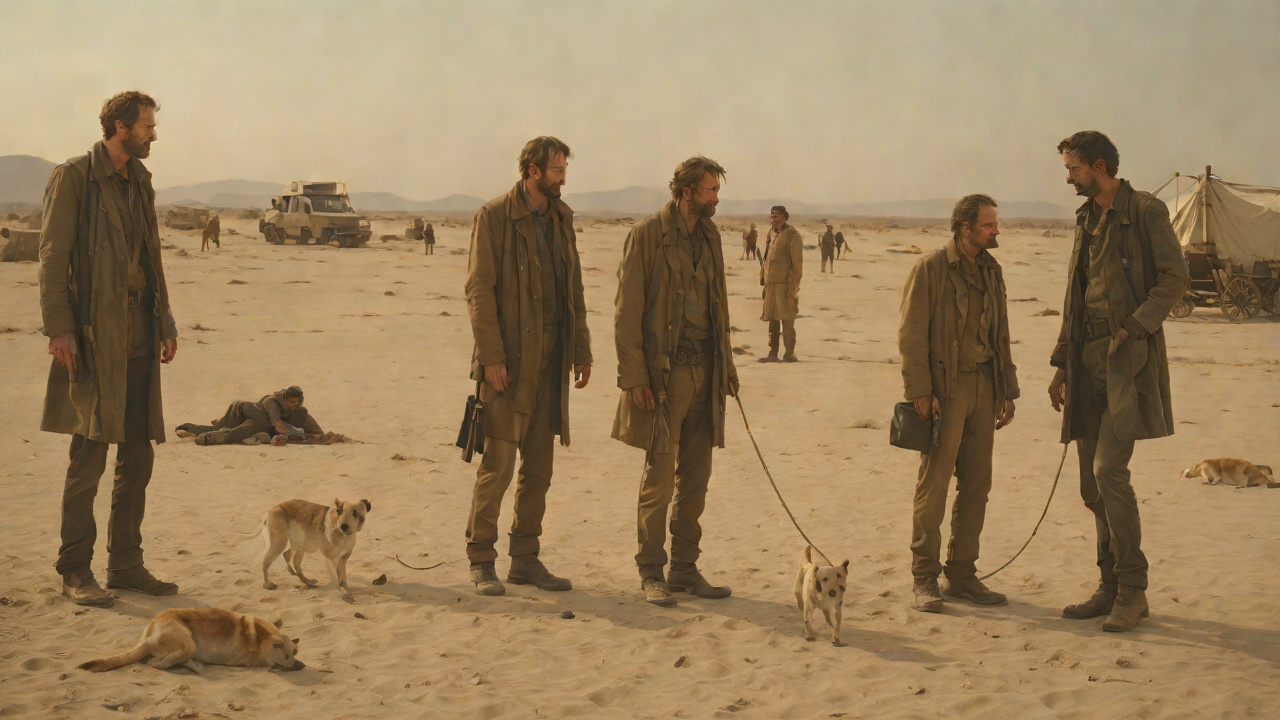
No Help Pact
Agreement
Abraham proposes that no Walker help another. The remaining contestants accept because exhaustion has made rescue nearly impossible.
Betrayal
Ray feels that agreeing makes him an animal. The pact preserves technical fairness by destroying the ethical community built along the road.
Baker’s Fall
Baker’s Fall
Test
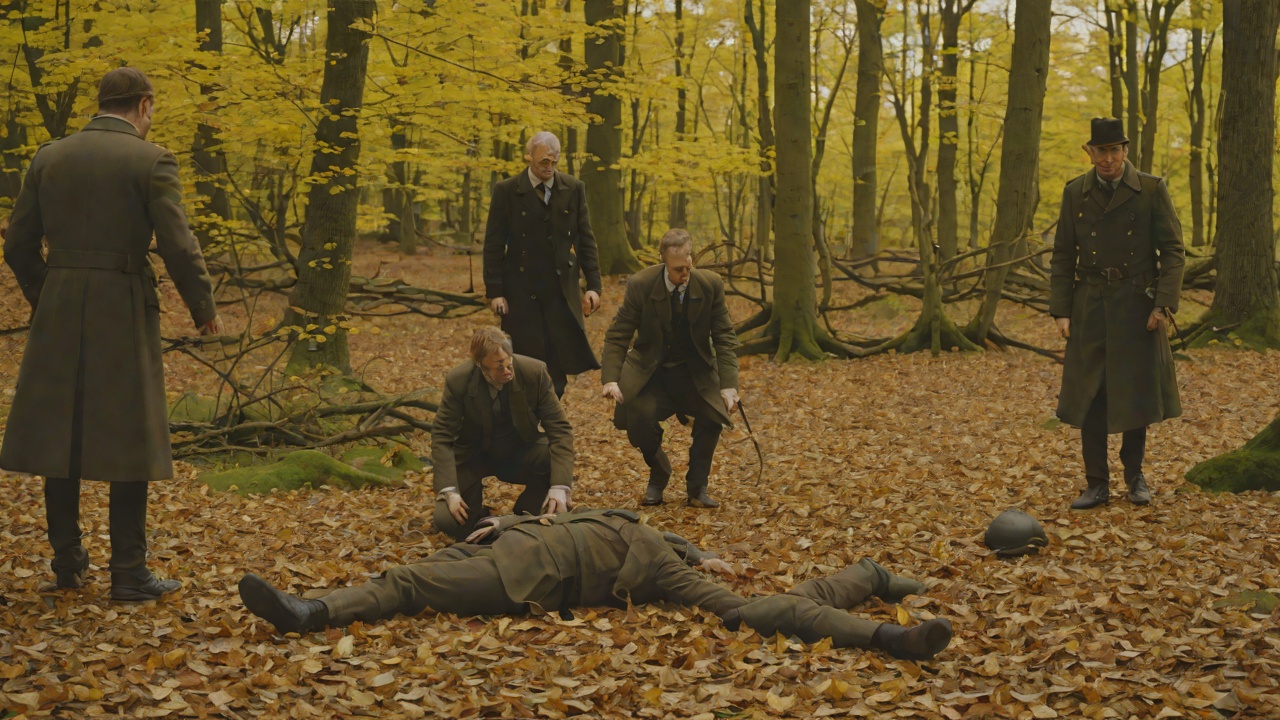
Arthur collapses and Ray instinctively tries to help. Peter stops him, enforcing the pact they all accepted.
Cost
Arthur survives the first fall but loses the protection of friendship. The scene makes the pact’s true meaning unmistakable: compassion must be treated as treason against survival.
May 1 afternoon
May 2 morning
May 3 morning
May 3 afternoon
May 4 shortly before dawn
